



A Brief Overview of Bananas in the Wild

The leaves have a smooth surface and are green, which can be tinged with yellow or red. The stems are thick, with a diameter of up to 16 inches (40 cm). The plant produces long, cylindrical fruit. They can be green, yellow, or red, depending on the species and degree of ripeness. Bananas are packed with nutrients, such as potassium, vitamin C, and vitamin B6.

Bananas grow in the tropical and subtropical regions of the world. The plant is native to Southeast Asia, but it is now cultivated on plantations in many regions worldwide, including Africa, Central and South America, the Caribbean, Australia, and others.

The banana plant is one of the fastest-growing plants on Earth, reaching maturity in just 9 to 12 months. The fruit is harvested while still green and then transported to warehouses to ripen.
Is It Possible to Grow a Banana Plant at Home?

However, you should keep in mind that indoor banana plants may not produce fruit, or they may produce very little. To thrive, these plants require warmth, high humidity, and plenty of light. Therefore, success depends entirely on the indoor gardener’s skill and setup. You also need to realize that the plant won’t yield a commercial-sized bunch of bananas, and the potted plant itself rarely exceeds 6.5 feet (2 meters) in height indoors.


Best Banana Varieties for Indoors

“Dwarf Cavendish”
This is a relatively low-growing tree perfectly suited for limited spaces and is the most common indoor variety in the US. The plant reaches a manageable height of about 5 to 6.5 feet (1.5 – 2 meters) with a trunk diameter of about 4 inches (10 cm). The vibrant green leaves can grow up to 3 feet (1 meter) long and 12 inches (30 cm) wide. Under optimal conditions, a Dwarf Cavendish can bear fruit within 3 years, producing sweet bananas that are about 4 to 5 inches (10-12 cm) long.

“Grand Nain” (Chiquita Banana)
The “Grand Nain” is an exceptionally popular variety worldwide. Indoors, the tree reaches a height of about 5 to 6.5 feet (1.5 – 2 meters). Its broad, tropical leaves bring a lush jungle feel to any room.

“Super Dwarf Cavendish”
As the name suggests, the “Super Dwarf Cavendish” is an ultra-compact variety that maxes out at a height of just 3 feet (1 meter). It is the ultimate choice for apartment dwellers. It is known for its small but very sweet fruit, measuring about 3 to 4 inches (8-10 cm) long.

You can also easily find seeds for ornamental banana trees online, such as the “Pink Velvet Banana” (Musa velutina) or the “Chinese Yellow Banana” (Musella lasiocarpa).
How to Grow a Banana from Purchased Seeds?
Here are some simple steps to help you grow a banana plant from seed.

Prepare the seeds. You can buy them from reputable online seed suppliers. Banana seeds have a hard coat; they need to be slightly scarified or soaked in warm water for 24-48 hours before planting. This softens the shell and speeds up germination.
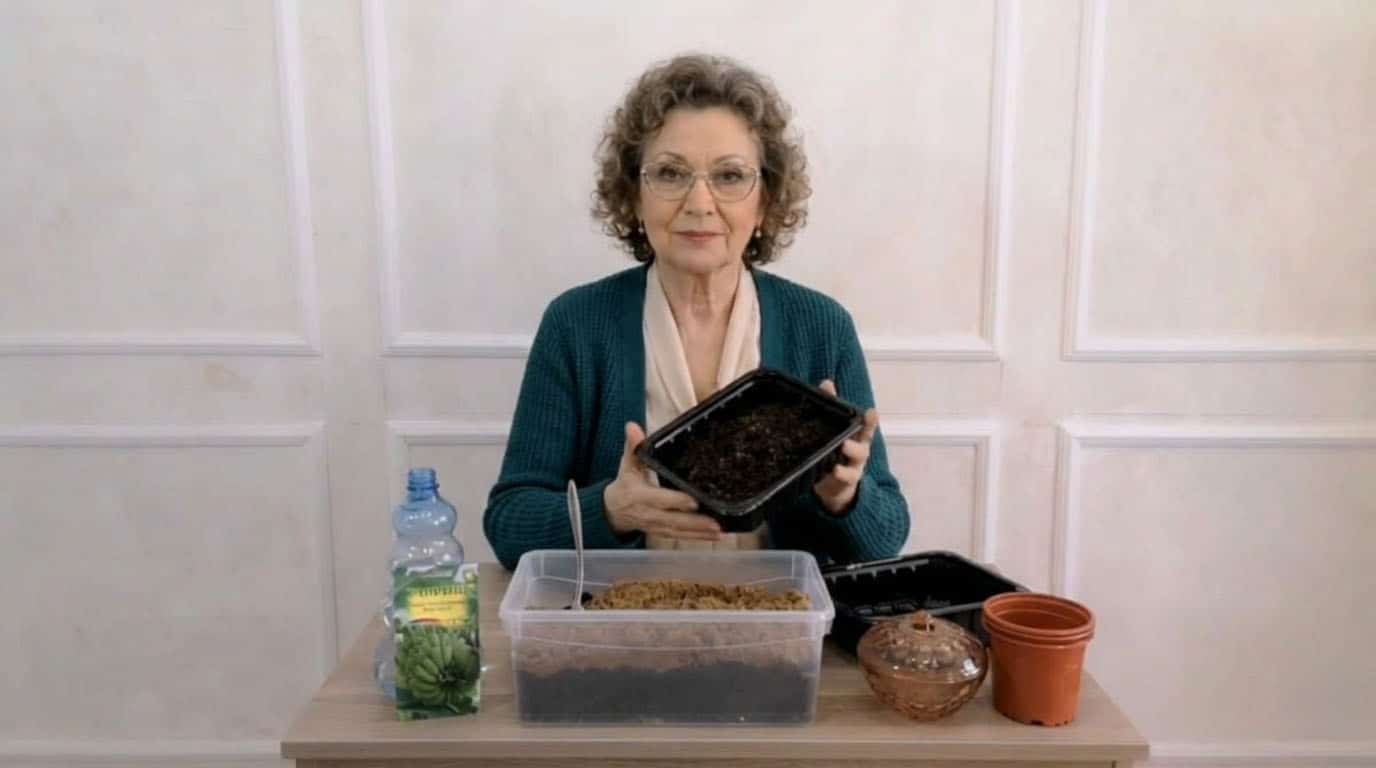
Prepare the soil. To grow a banana from seeds, use a light, well-aerated seed-starting mix. A blend of high-quality compost, perlite, and peat moss (or coco coir) works perfectly to retain moisture while providing drainage.

Plant the seeds. Small nursery pots or seed trays with drainage holes are ideal. Fill them with your soil mix, sow the seeds about 1/2 inch deep, and lightly cover them.

Provide warmth and moisture. Keep the soil consistently moist but not soggy. Banana seeds need high temperatures (around 80°F or 27°C) to sprout, so using a seedling heat mat is highly recommended.

Transplant the seedlings. Once the seedlings develop strong roots and grow to about 4 to 6 inches (10-15 cm) tall, transplant them into larger individual pots.
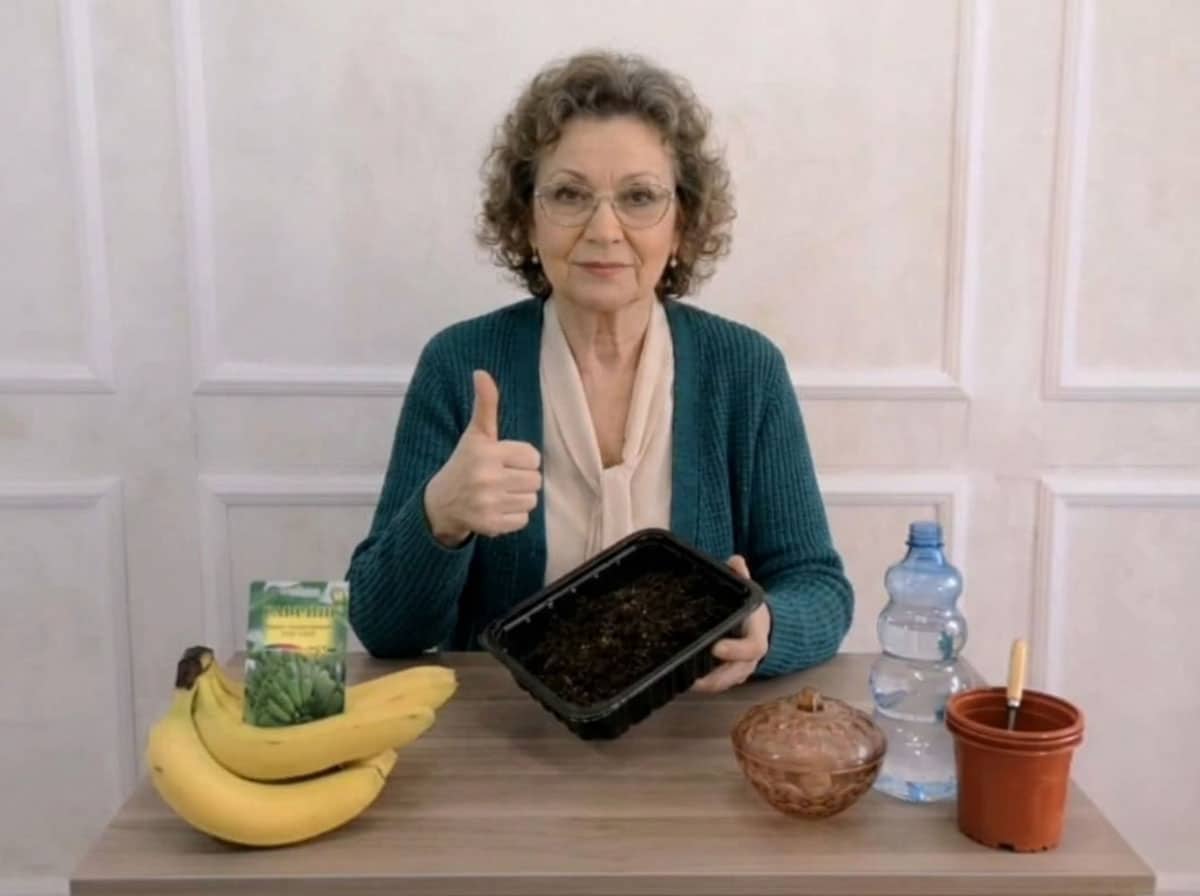
Be patient. Banana seeds can take anywhere from a few weeks to several months to germinate depending on the variety. Growing fruit-bearing plants from seed is a long-term commitment.
Growing a banana from purchased seeds requires careful care, warmth, and a lot of patience.
Lighting Requirements
Lighting plays a crucial role in growing bananas indoors. They are full-sun plants, meaning they need to be placed in the brightest spot available, such as directly in front of a south- or west-facing window. While they love bright light, keep an eye out for leaf burn if they are suddenly exposed to harsh afternoon sun without acclimation.


Indoor bananas require long daylight hours, approximately 12-14 hours. In most North American homes, especially during winter, natural light is insufficient. It is highly recommended to use full-spectrum LED grow lights to supplement their lighting needs. To ensure even, straight growth, rotate the pot 180 degrees every time you water.
Soil Recommendations
Bananas require fertile, slightly acidic soil that contains plenty of organic matter. You can use a high-quality all-purpose potting soil heavily amended with perlite, peat moss, or coco coir to ensure rapid drainage.
Banana trees absolutely cannot tolerate waterlogged roots (which leads to root rot). Modern US horticultural standards advise against placing broken pottery shards or gravel at the bottom of the pot, as this actually hinders drainage. Instead, simply ensure your pot has large drainage holes and use a well-aerated soil mix throughout the entire container. Bananas grow best when the room and soil temperatures stay between 68°F and 86°F (20°C to 30°C).


Feeding Banana Trees
Bananas are heavy feeders and need regular fertilizing during the spring and summer growing seasons. They respond excellently to organic nutrients like worm castings, liquid kelp, or compost. These contain vital trace minerals and improve the overall soil biology without the high risk of burning the roots.

Photos Submitted by Our Readers


Questions and Answers
Most failures come from low seed viability (poor-quality seed), temperatures that are too cool, or inconsistent moisture. Another common issue in the US: many edible bananas are essentially seedless, so “banana seeds” sold online are often ornamental species and can germinate slowly or unevenly. Keep the medium warm, lightly moist (not soggy), and be patient—some banana seeds can take weeks to months.
This often happens when the plant runs out of nutrients—especially nitrogen—after it has used what’s in the potting mix. Feed regularly during active growth with a balanced fertilizer, and supplement with organic matter (compost/worm castings) if you’re using an indoor-safe approach. Also check for a rootbound plant (tight roots circling the pot), which can stall growth until you repot.
The most common causes are low indoor humidity and hot, dry air from heating vents/baseboards. Move the plant away from heat sources, raise humidity (humidifier, pebble tray, grouping plants), and mist only if it helps in your home (misting isn’t always enough by itself). Also rule out underwatering and salt buildup from hard tap water or overfertilizing (flush the pot occasionally).
Yellowing can mean overwatering (roots staying wet), underwatering, or a nutrient issue (often nitrogen or magnesium). Check the soil first: if it stays wet for days, improve drainage and reduce watering; if it dries out completely, water more consistently. If watering is correct, fertilize during the growing season and consider a supplement that includes micronutrients.
That’s usually insufficient light (etiolation). If your brightest window still isn’t enough, many US indoor gardeners use LED grow lights to improve plant growth, and they’re commonly reviewed by major home-and-garden outlets.
Fungus gnats thrive when the top layer of soil stays constantly damp. Let the top 1–2 in (2.5–5 cm) dry between waterings, use yellow sticky traps, and consider a top-dressing (coarse sand) or a biological control (BTI “mosquito bits” used by many houseplant owners in the US).
This is normal for banana plants—large leaves split along veins from airflow, handling, or rapid growth. It’s not automatically a disease sign; focus on overall color, new growth, and whether the plant is actively pushing healthy leaves.
Sometimes, but it’s not guaranteed indoors. Fruiting depends on enough light, warmth, humidity, a long growing period, and the right variety (dwarf types are more realistic in homes), and even then yields are usually small.
Spider mites and thrips are common in dry indoor air, especially in winter. Inspect the undersides of leaves, rinse the plant regularly, and treat early with insecticidal soap or horticultural oil (following label directions).
Yes—many people in the US “summer” tropical houseplants outdoors once nights are reliably warm. Acclimate slowly (shade → partial sun → brighter light) to prevent sunburn, and bring it back inside before nights get cool.


